Source Self Fusing Wire Tape for Insulation, Pipes, and Wiring
Find 30 self fusing wire tape options from verified suppliers offering customization and ISO9001 certification. Compare specifications like dielectric strength and flame rating for electrical insulation, pipe protection, and automotive wiring applications.
Key considerations
Products List




Comprehensive Sourcing Guide
Strategic Sourcing Guide for Self-Fusing Wire Tape Procurement
Understanding Material Composition and Core Performance Metrics
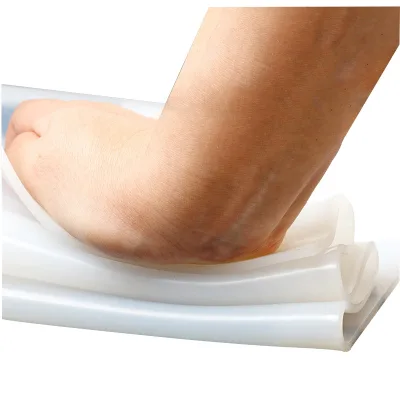
When sourcing self-fusing wire tape, the primary distinction lies in the base chemistry and the resulting physical properties that define its application suitability. The market for this category is dominated by silicone-based formulations, specifically identified as Silicone Rubber Self Fusing Tape. This material choice is critical because it dictates the tape's ability to fuse with itself upon application, creating a seamless, waterproof, and airtight seal without the need for adhesives. The observed material profile indicates a composition of Organic Insulation or Hybrid Insulation materials, which are engineered to provide excellent physicochemical and electrical properties.
Buyers must verify the specific Shore Hardness and Elongation at Break to ensure the tape can conform to irregular surfaces without tearing. In the context of high-performance sourcing, a Shore Hardness of 53A suggests a balance between flexibility and structural integrity, allowing the tape to be easily manipulated during installation while maintaining resistance to mechanical stress. Furthermore, the Elongation at Break is a vital metric; a value of 300% indicates that the material can stretch significantly before failure, which is essential for applications involving thermal expansion or vibration in telecom and electrical environments. The Tear Strength, observed at 3.5MPa, further confirms the material's durability against ripping during the winding process.
The electrical performance is equally paramount. The Dielectric Strength of 25kv/mm serves as a benchmark for the insulation capability, ensuring that the tape can withstand high voltage stresses without breakdown. This metric is particularly relevant for the Classification of Low Voltage and Cable Joint Protection, though some variants are rated for High Voltage applications with a Rated Voltage of 35kv or above. Procurement teams should note that while specific numerical values like 25kv/mm are observed in certain listings, the actual performance of any specific batch must be validated against the technical data sheet provided by the manufacturer, as these values represent the material's inherent potential rather than a guaranteed outcome for every product variant.
Technical Specifications and Model Variations
The diversity of self-fusing tape models necessitates a rigorous review of specifications to match the exact requirements of the project. The product line includes specific model identifiers such as SFT-40, SFT-40C, SFT-44, SFT-45, SFT-4V, and SFT-41, each potentially tailored for different thicknesses or chemical compositions. The thickness range observed spans from 0.5mm to 1.0mm, a critical dimension that influences the final insulation thickness and the number of layers required for adequate protection. For instance, a standard specification might be 1.5mm50mm, while another could be 0.76mm19mm*9.1m, highlighting the variability in width and length dimensions available in the market.
Dimensional consistency is a key factor in procurement. The product models often correspond to specific standard dimensions, such as the 1.5mm*50mm configuration, which is suitable for general cable wrapping. However, for specialized applications like pipe insulation or automotive wiring, the dimensions may differ. The "Customized" attribute for both size and packing indicates that suppliers are capable of producing non-standard dimensions, which is a significant advantage for complex engineering projects. Buyers should verify the exact width and length required for their specific cable bundles to avoid over-ordering or under-insulating.
The thermal rating is another critical specification, with observed values indicating a Thermal Rating of 250 degrees. This high thermal tolerance allows the tape to function effectively in environments where heat generation is a concern, such as in electrical joints or automotive wiring harnesses. The tape provides Fire and Thermal Insulation Protection for pipelines, making it suitable for industrial applications where fire safety is a priority. The Flame Rating of V0 (UL94) confirms that the material meets strict flammability standards, ensuring that the tape will not sustain combustion or contribute to fire spread. This rating is essential for compliance in sectors like telecommunications and electrical infrastructure where fire safety regulations are stringent.
Compliance, Certification, and Regulatory Standards
Navigating the regulatory landscape is a non-negotiable aspect of sourcing self-fusing wire tape. The supply chain for this product is heavily influenced by international standards and certifications that validate the quality and safety of the materials. The observed certification landscape includes ISO9001 and SGS, which are critical indicators of a supplier's commitment to quality management systems and third-party verification. ISO9001 certification ensures that the manufacturing process is consistent and capable of delivering products that meet specified requirements, while SGS certification provides an additional layer of trust regarding the material's compliance with safety and performance standards.
In terms of environmental and chemical compliance, the RoHS (Restriction of Hazardous Substances) standard is a mandatory requirement for many markets, particularly in Europe and North America. The product specifications explicitly mention RoHS compliance, indicating that the tape is free from specific hazardous substances such as lead, mercury, and cadmium. This is crucial for electronics and electrical applications where environmental regulations are strictly enforced. Additionally, the classification of the material as Organic Insulation or Hybrid Insulation Materials suggests that the chemical composition is designed to minimize environmental impact while maintaining high performance.
Buyers must also verify the origin of the product, as supply chain transparency is increasingly important. The observed product origin is China, which is a major manufacturing hub for silicone rubber products. However, the origin alone does not guarantee quality; it is the combination of origin with certifications like ISO9001 and SGS that provides assurance. The product standard, such as SFT-40 or SFT-45, serves as an internal reference for the manufacturer, but buyers should cross-reference these with international standards like UL94 for flame rating and specific dielectric strength requirements. It is essential to request test reports that verify the Flame Rating of V0 and the Dielectric Strength of 25kv/mm, as these are the specific metrics that define the product's safety and performance capabilities.
Cost Drivers and Procurement Economics
The economics of sourcing self-fusing wire tape are influenced by a complex interplay of material costs, customization requirements, and order volume. The observed price range in the market spans from 0.1 to 3.85 USD, a wide variance that reflects differences in thickness, width, length, and the level of customization required. The lower end of the price spectrum likely corresponds to standard, off-the-shelf models with minimal customization, while the higher end may reflect specialized models with specific dimensions or enhanced performance characteristics.
Minimum Order Quantity (MOQ) is a significant factor in procurement planning. The observed MOQ range is 1 to 5000 units, offering flexibility for both small-scale testing and large-scale industrial deployment. For buyers conducting initial trials, an MOQ of 1 allows for the acquisition of free existing samples, which is a valuable opportunity to verify the physical properties of the tape before committing to a larger order. However, for mass production, the MOQ of up to 5000 units may be necessary to achieve economies of scale and reduce the per-unit cost.
Customization is a major cost driver. The availability of customized packing, size, and dimensions adds value but also increases the complexity and cost of production. The production time of 20 days is a standard lead time for customized orders, which buyers must factor into their supply chain planning. Payment terms, typically observed as Tt (Telegraphic Transfer), are standard in international trade, but buyers should negotiate terms that align with their cash flow requirements. The use of standard carton packages or customized shrinkage+giftbox+carton options also impacts the final cost, with more elaborate packaging solutions incurring higher expenses.
Typical Applications and Industry Use Cases
The versatility of self-fusing wire tape makes it suitable for a wide range of applications across multiple industries. The primary use cases include Insulation Protection, Pipe Insulation, Electrical Insulation, and Automotive Wiring. In the telecom and electrical sectors, the tape is used to protect cable joints and connections from moisture, dust, and mechanical damage. The high dielectric strength and flame rating make it ideal for high-voltage applications, where the risk of electrical failure is a critical concern.
In the automotive industry, the tape is utilized for wiring harness protection, where it must withstand vibration, heat, and chemical exposure. The excellent physicochemical properties of the silicone rubber ensure that the tape remains flexible and effective even in harsh environments. For pipeline applications, the tape provides fire and thermal insulation protection, safeguarding the integrity of the pipeline against external threats. The classification of the product as Low Voltage and Cable Joint Protection further highlights its role in ensuring the safety and reliability of electrical systems.
The specific model variations, such as SFT-40 and SFT-45, are often selected based on the specific requirements of the application. For example, a thicker tape might be preferred for high-voltage cable joints, while a thinner tape might be suitable for general-purpose insulation. The ability to customize the size and packing allows buyers to tailor the product to the exact needs of their project, ensuring optimal performance and cost efficiency.
Supplier Evaluation and Quality Control Protocols
Evaluating suppliers for self-fusing wire tape requires a systematic approach that goes beyond price and delivery time. Buyers should prioritize suppliers who demonstrate a commitment to quality through certifications like ISO9001 and SGS. These certifications are not merely marketing tools; they indicate that the supplier has established processes to ensure consistent product quality and adherence to international standards. The presence of a specific brand, such as Volsun, can also be a factor, as established brands often have a track record of reliability and performance.
Quality control protocols are essential to ensure that the tape meets the required specifications. Buyers should request detailed test reports that verify the Dielectric Strength, Tear Strength, Elongation at Break, and Flame Rating. These tests should be conducted by accredited laboratories to ensure the accuracy and reliability of the results. The observation of a Flame Rating of V0 and a Dielectric Strength of 25kv/mm should be confirmed through independent testing, as these are critical safety metrics.
Additionally, buyers should evaluate the supplier's ability to provide samples and their responsiveness to customization requests. The availability of free existing samples is a positive indicator, as it allows buyers to physically inspect the product before placing a large order. The supplier's production time of 20 days should be communicated clearly to ensure that the buyer can plan their inventory and production schedules accordingly. Finally, the supplier's packaging standards, whether standard carton or customized options, should be reviewed to ensure that the product is protected during transit and storage.
Long-Term Procurement Considerations and Supply Chain Resilience
Sourcing self-fusing wire tape is not just a one-time transaction; it is a long-term relationship that requires careful planning and management. Buyers should consider the stability of the supply chain, the availability of raw materials, and the supplier's capacity to scale production as demand increases. The observed production time of 20 days suggests a moderate lead time, which buyers should factor into their inventory management strategies to avoid stockouts.
The customization capabilities of the supplier are also a key consideration for long-term procurement. As project requirements evolve, the ability to adjust the size, thickness, and packaging of the tape can provide a competitive advantage. Buyers should establish clear communication channels with their suppliers to ensure that any changes in specifications can be implemented quickly and efficiently.
Finally, buyers should monitor the market for changes in standards and regulations that may impact the procurement of self-fusing wire tape. The ongoing evolution of environmental and safety standards means that suppliers must remain compliant with the latest requirements. By maintaining a proactive approach to supplier evaluation and quality control, buyers can ensure a resilient and reliable supply chain for their self-fusing wire tape needs.
FAQs
What material is used for self fusing wire tape?
The primary material is silicone rubber, which provides excellent physicochemical and electrical properties. Some variants use organic or hybrid insulation chemistries to ensure durability and flexibility during application.
Can I get free samples for existing self fusing wire tape?
Yes, free samples are available for existing stock to verify product quality before bulk ordering. This allows buyers to test physical attributes like elongation and tear strength without initial financial commitment.
Which certifications do self fusing wire tape manufacturers hold?
Manufacturers typically hold ISO9001 and SGS certifications to validate quality management and material safety. These standards ensure the product meets international requirements for electrical insulation and fire resistance.
How thick is the standard self fusing wire tape?
Standard thickness ranges from 0.5mm to 1.0mm, with specific models like SFT-40 offering 1.5mm dimensions. Customized sizes are also available to meet specific project requirements for cable joint protection.
What is the lead time for custom self fusing wire tape orders?
The production time is typically 20 days for customized orders requiring specific dimensions or packaging. Standard orders may have different lead times depending on current inventory levels and factory capacity.
What is the flame rating for silicone rubber self fusing tape?
The tape carries a V0 flame rating according to UL94 standards, ensuring it does not sustain combustion. This high fire resistance makes it suitable for telecom and electrical applications requiring strict safety compliance.
Which applications suit high voltage self fusing wire tape?
It is designed for high voltage applications rated at 35kv or above, including cable joint protection and pipe insulation. The tape also serves automotive wiring and general electrical insulation needs effectively.